Lawn Aeration Services in Wilson, NC
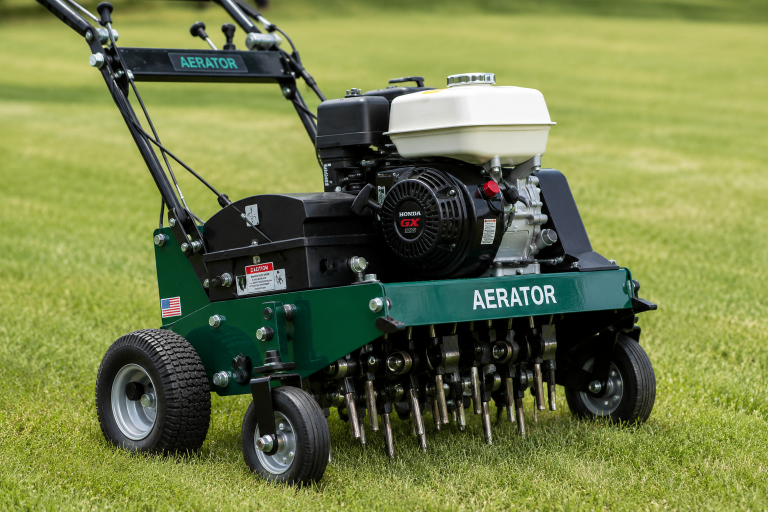
You water it. You mow it. You even bought the expensive bag of fertilizer. And your grass still looks tired, thin, and stubborn in the same three spots it has looked bad in for two summers straight. Most homeowners assume that means they need more of something. More water, more feed, more seed. Usually it means the opposite. It means nothing you put down is actually reaching the roots, because the soil underneath has packed itself into something closer to a driveway than a garden bed. That is the problem aeration solves, and it is the single most overlooked service in Lawn Care Wilson, NC homeowners pay for every year.
What Lawn Aeration Actually Does
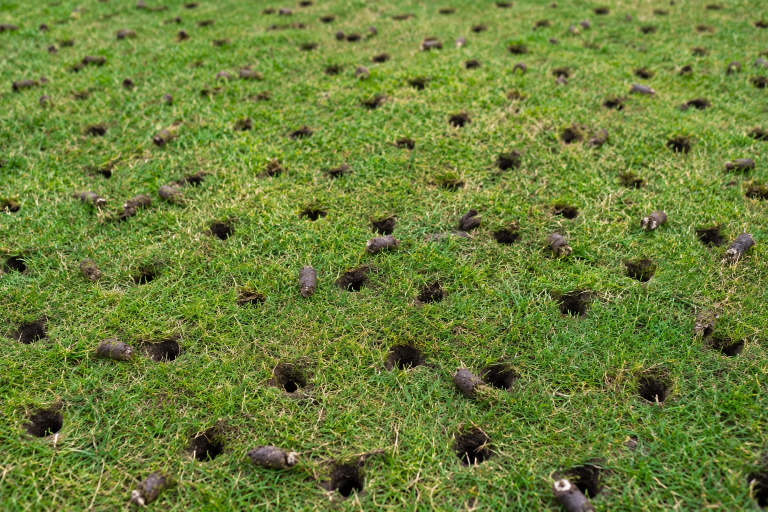
Core aeration pulls thousands of small plugs of soil out of your yard, roughly two to three inches deep, and leaves them on the surface to break down. Those open channels do three things at once. Air reaches the root zone. Water soaks in instead of running off into the street. And fertilizer, lime, and grass seed finally make contact with soil instead of sitting on top of a compacted crust.
Grass roots are not passive. They chase oxygen and moisture. When soil is dense, roots stay shallow because they physically cannot push down. Shallow roots dry out fast in July, burn in August, and give up the ground to crabgrass and nutsedge. Aeration gives the roots somewhere to go, and deeper roots are the entire difference between a lawn that survives a Carolina summer and a lawn that just endures it.
Why Soil in Wilson County Makes Aeration Necessary
Yards around Wilson tend to sit on sandy loam topsoil over a heavy clay subsoil. That combination is deceptive. The top few inches drain quickly and feel loose in your hand, so the yard seems fine. Underneath, the clay layer holds water, swells, shrinks, and compacts a little more every season.
Then add what happens on top of it. New construction leaves soil that heavy equipment has already driven across dozens of times. Kids, dogs, riding mowers, and summer parties press it down further. Heavy rain hits bare or thin areas and drives fine particles into whatever pore space is left. Within a few years the top six inches of a Wilson yard can be compacted enough that a screwdriver will not push in without real effort.
That is the test, by the way. Take a long screwdriver and push it into your lawn after a rain. If it does not slide in six inches with light hand pressure, your soil is compacted, and no amount of fertilizer is going to fix it.
Signs Your Lawn Is Telling You It Needs Aeration
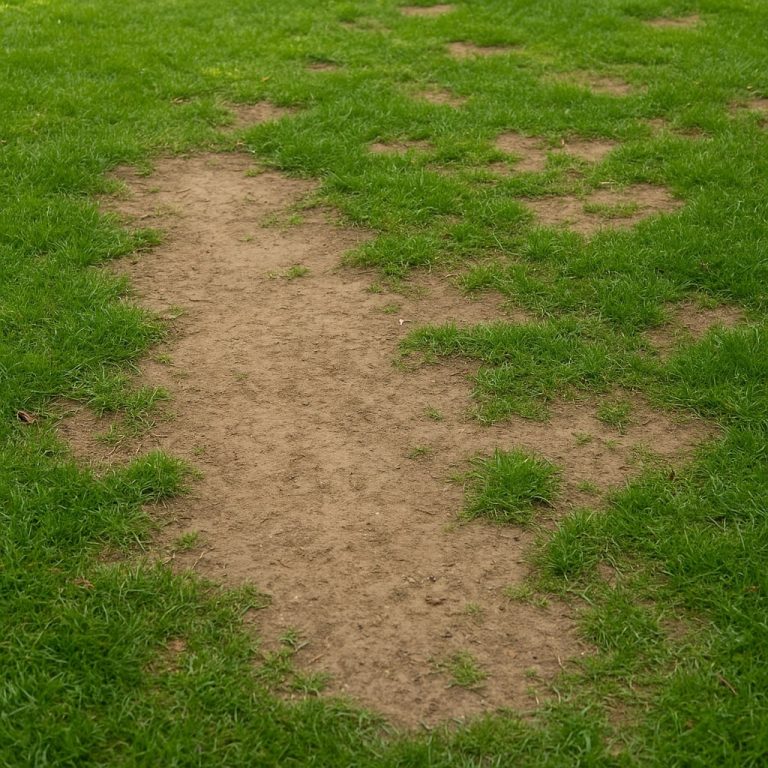
- Water puddles or runs off instead of soaking in
- Thin, patchy turf that thickens up in shady low traffic corners but not in the open
- Thatch layer thicker than half an inch between the green blades and the soil
- Footprints or tire tracks that stay visible long after you walk across
- Weeds taking over the highest traffic paths first
- Grass that goes brown fast during a dry stretch and is slow to come back after rain
Any two of those together, and aeration should come before you spend another dollar on fertilization or seed. Feeding compacted soil is like pouring a protein shake on a locked door.
The Best Time to Aerate a Lawn in Wilson, NC
Timing matters more than technique, and it depends entirely on what grass you have.
Warm-season grasses. Bermuda, zoysia, centipede, and St. Augustine are the most common warm-season lawns around here. These should be aerated in late spring through early summer, roughly mid-May into July, when the grass is actively growing and can heal the holes quickly. Aerating a dormant warm-season lawn in fall is a mistake. You open the canopy right when winter weeds are looking for a place to germinate.
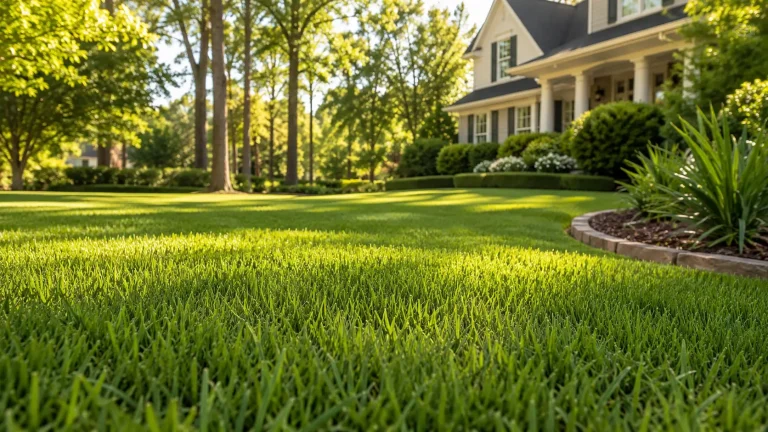
Tall fescue. Fescue is a cool-season grass and runs on the opposite calendar. September into mid-October is the window, and it is not a suggestion. Fall aeration paired with overseeding is the reason some fescue lawns in this area stay thick for years, while others thin out and get replaced with weeds by the third summer.
Getting this backwards is the most common mistake homeowners make when they rent a machine themselves. It is also why scheduling with a crew that already knows the growing calendar for Lawn Care Wilson, NC properties tends to produce better results than a Saturday rental and a guess.
Core Aeration vs Spike Aeration
Spike aerators, including the shoe attachments sold online, punch holes without removing anything. They push soil sideways, which means the walls of every hole become more compacted than the ground around them. On heavy soil that is worse than doing nothing.
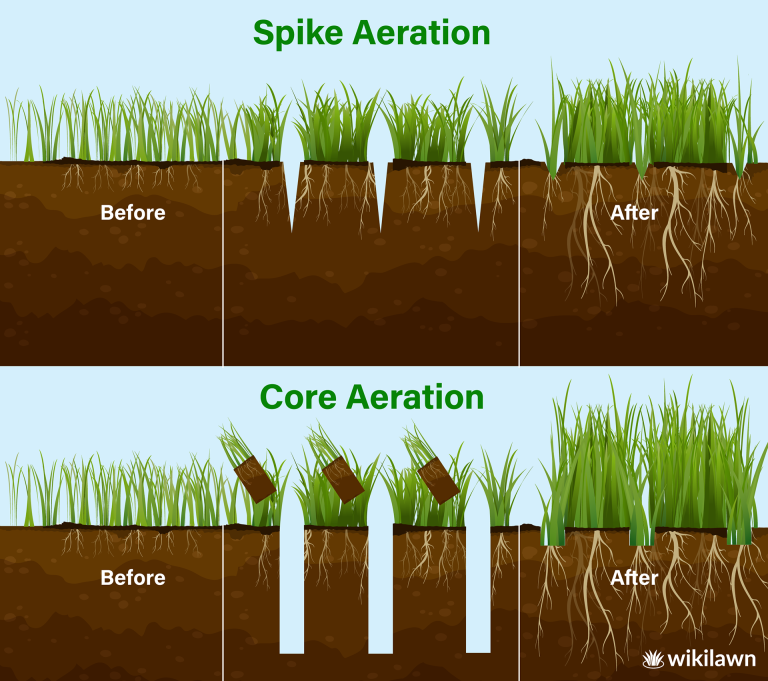
Core aeration, sometimes called plug aeration, removes soil entirely and leaves space for the ground to relax into. That is the version worth paying for. Leave the plugs where they fall. They look messy for about ten days, then rain and mowing break them down and return organic matter and beneficial microbes to the surface. Raking them up throws away half the benefit.
What Happens in the Weeks After Aeration
The first week your lawn will look worse than when we started. Plugs everywhere, holes everywhere, and no visible improvement. That is normal, and it is temporary.
By week two the plugs start dissolving, and new white root tips are already growing into the open channels. By week four you should notice water soaking in faster instead of pooling. By the following season, on a lawn that gets aerated annually, the color holds longer into drought and the turf gets noticeably denser because grass is filling in laterally with room to spread.
Should You Water Lawn After Aeration
Yes, and this is the part that decides whether the whole job pays off.
Water the lawn deeply within twenty four hours of aeration. Those freshly opened holes expose root tissue and soil that has never been at the surface before, and both dry out quickly in Carolina heat. A good soak, roughly half an inch, settles everything and gets moisture down into the new channels.
For the next two to three weeks, water more often than usual but for shorter periods. Aim for a light watering every day or every other day rather than one long session per week. You are keeping the top inch or two consistently damp while the root system rebuilds. If you overseeded at the same time, this is not optional at all. Seed that dries out once after it has started to swell is dead seed, and you will be paying for the same job again next year.

Water early. Between six and ten in the morning is ideal, so blades dry before evening and you are not inviting brown patch and other fungal problems that show up fast in humid Wilson summers. Avoid heavy evening watering entirely.
After about three weeks, go back to your normal schedule of deep and infrequent watering, roughly one inch per week including rainfall, delivered in one or two sessions. Deep watering trains roots to chase moisture downward, which is the whole point of having aerated in the first place. Also stay off the lawn as much as you reasonably can during those first two weeks. Foot traffic on soft, freshly opened soil undoes the work faster than you would expect.
Aeration and Overseeding Belong Together
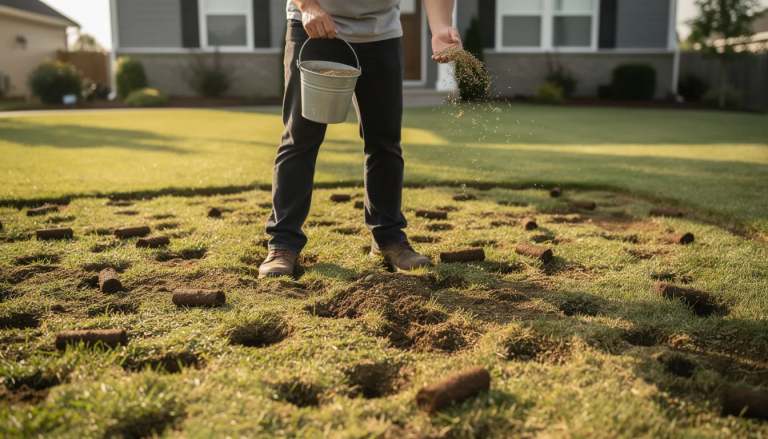
If you have fescue, aerating without seeding is a missed opportunity. Those holes are the best seed-to-soil contact you will ever get without tearing the yard up, and germination rates on an aerated lawn run dramatically higher than with broadcasting seed over an untouched surface.
The order matters. Aerate first, then spread seed so it falls into the holes, then apply a starter fertilizer, then water. Reverse any of those steps and you lose most of the advantage.
Schedule Aeration Before Your Window Closes
Aeration is not a cosmetic service. It is the maintenance step that makes every other service you pay for actually work, from regular mowing to weed control. Skip it, and you spend years fighting symptoms. Do it on schedule and the lawn starts doing the work for you.
Both the spring warm season window and the fall fescue window fill up fast, because everyone in the county needs the same service in the same three-week stretch. If you want it done at the right time rather than whenever a machine happens to be free, get on the schedule early. Reliable, on-time Lawn Care Wilson, NC service starts with fixing the soil first, and everything after that gets easier.