Lawn Care Wilson, NC LLC
Looking for lawn care in Wilson NC? Connect with our Lawn Care technicians who are qualified to perform everything that is needed to give your home an amazing look. A well-designed home can transform a simple home into an eye-catching property.
Our goal is to create or preserve your lawn at a reasonable price. Prices vary depending on the complexity and the time involved in the project. You may also request our lawn care services on a weekly or monthly basis. We cover all of Wilson, NC, and the surrounding areas connect with us today for a free consultation.
Services
We maintain and preserve the grounds of all properties, our services include:
- Debris removal
- Snow shoveling
- Digging
- Trimming
- Mowing
- raking
- fertilizing
- Planting flowers, shrubs, bushes, trees
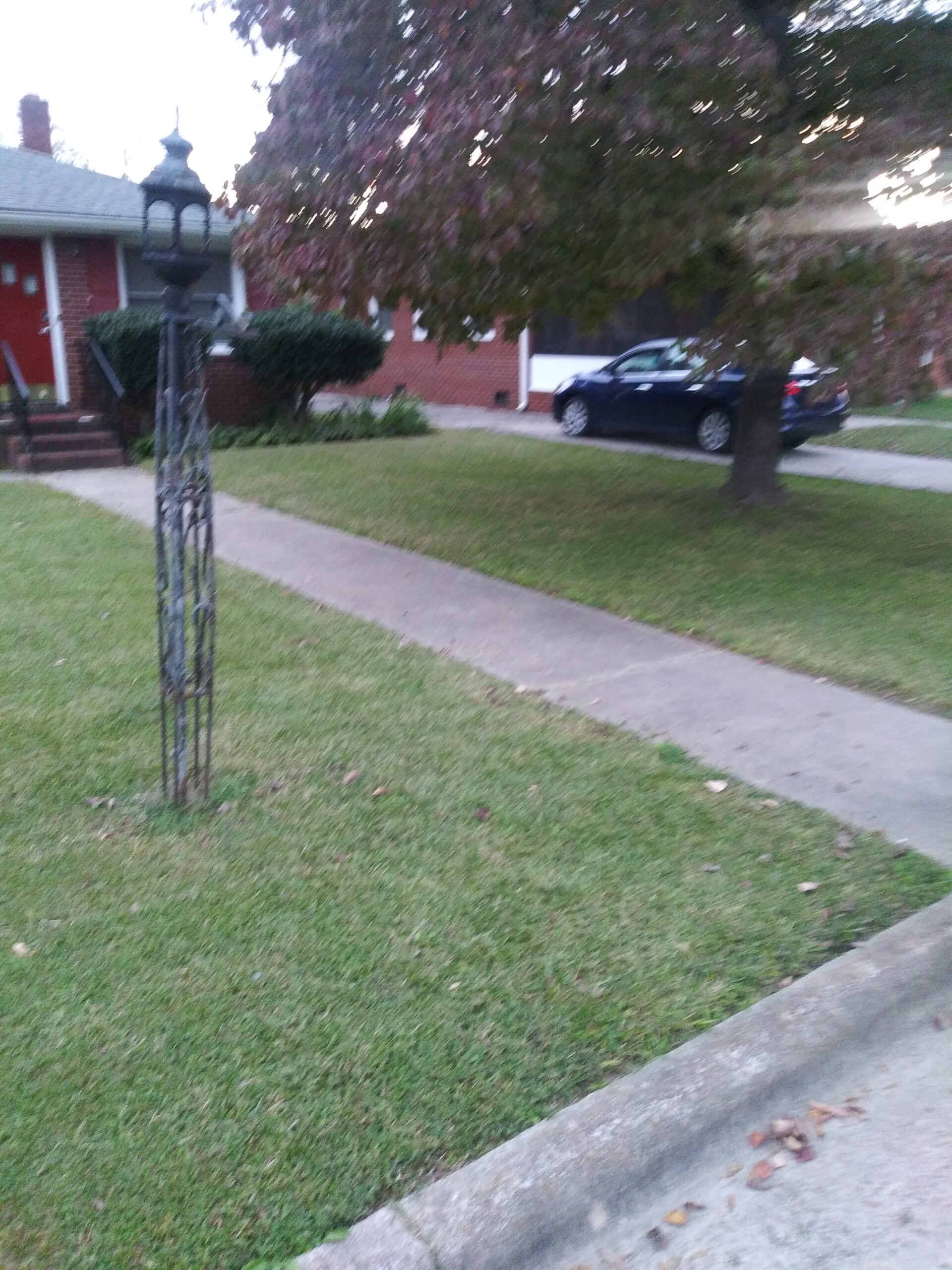
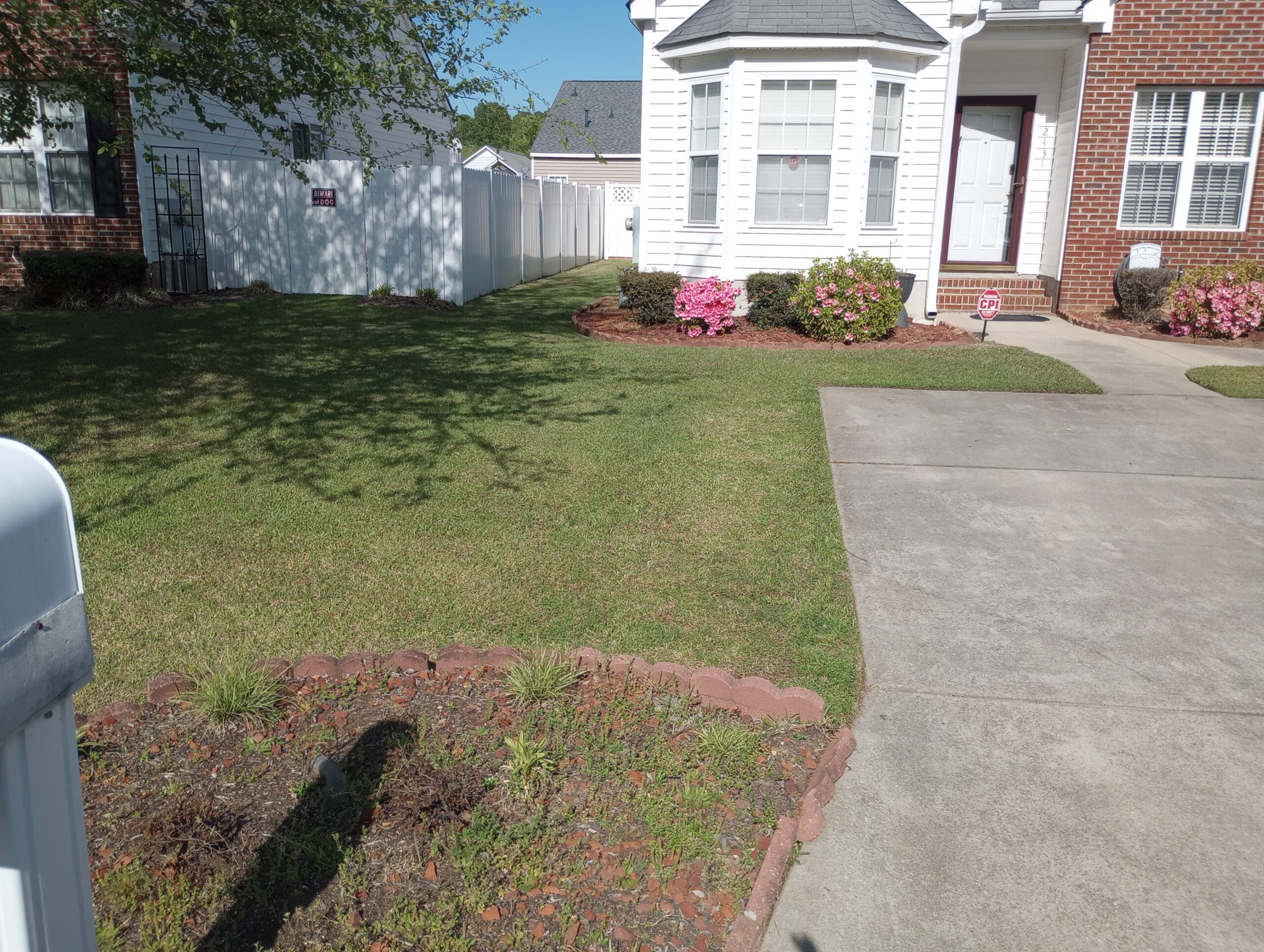
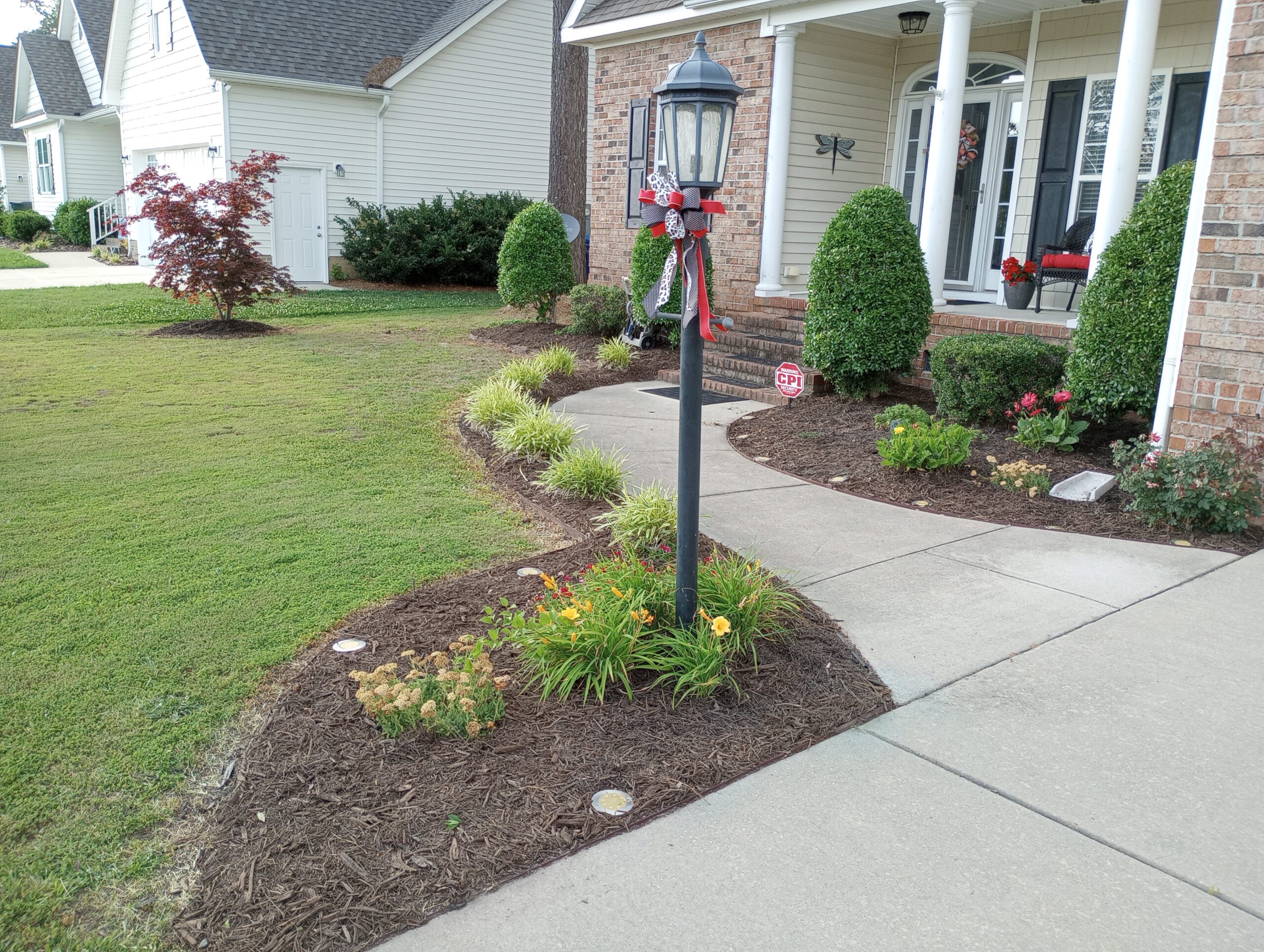
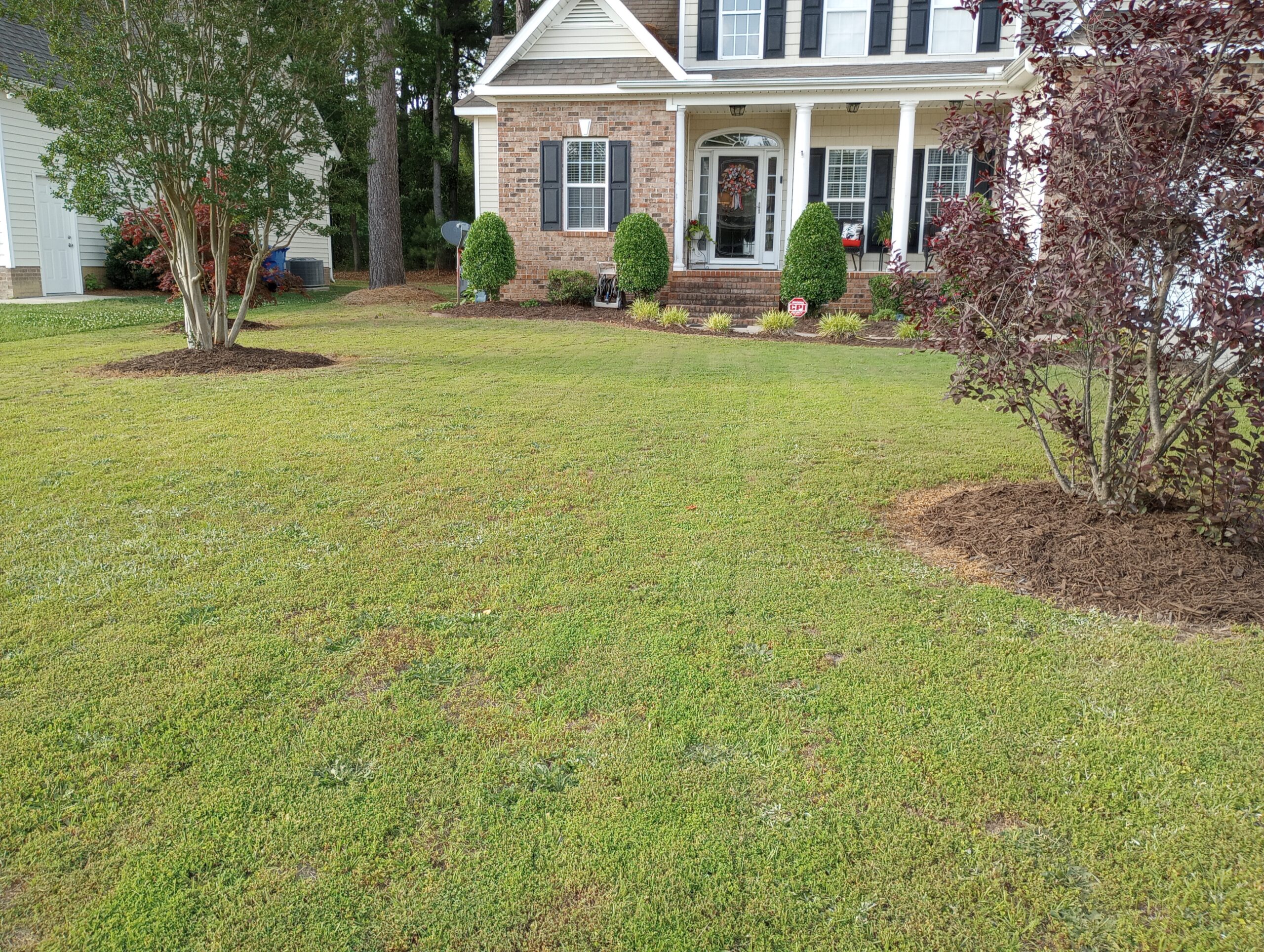
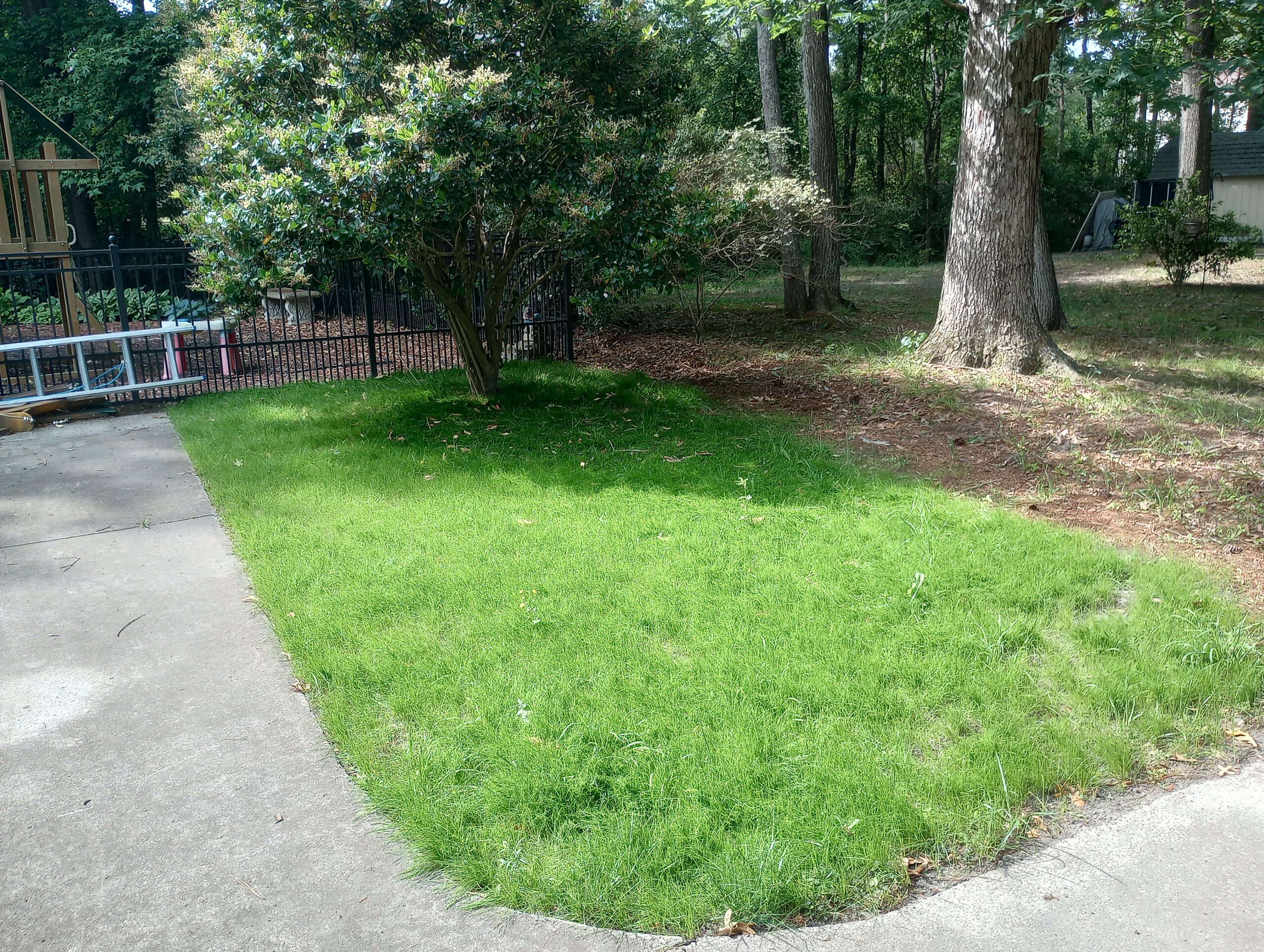
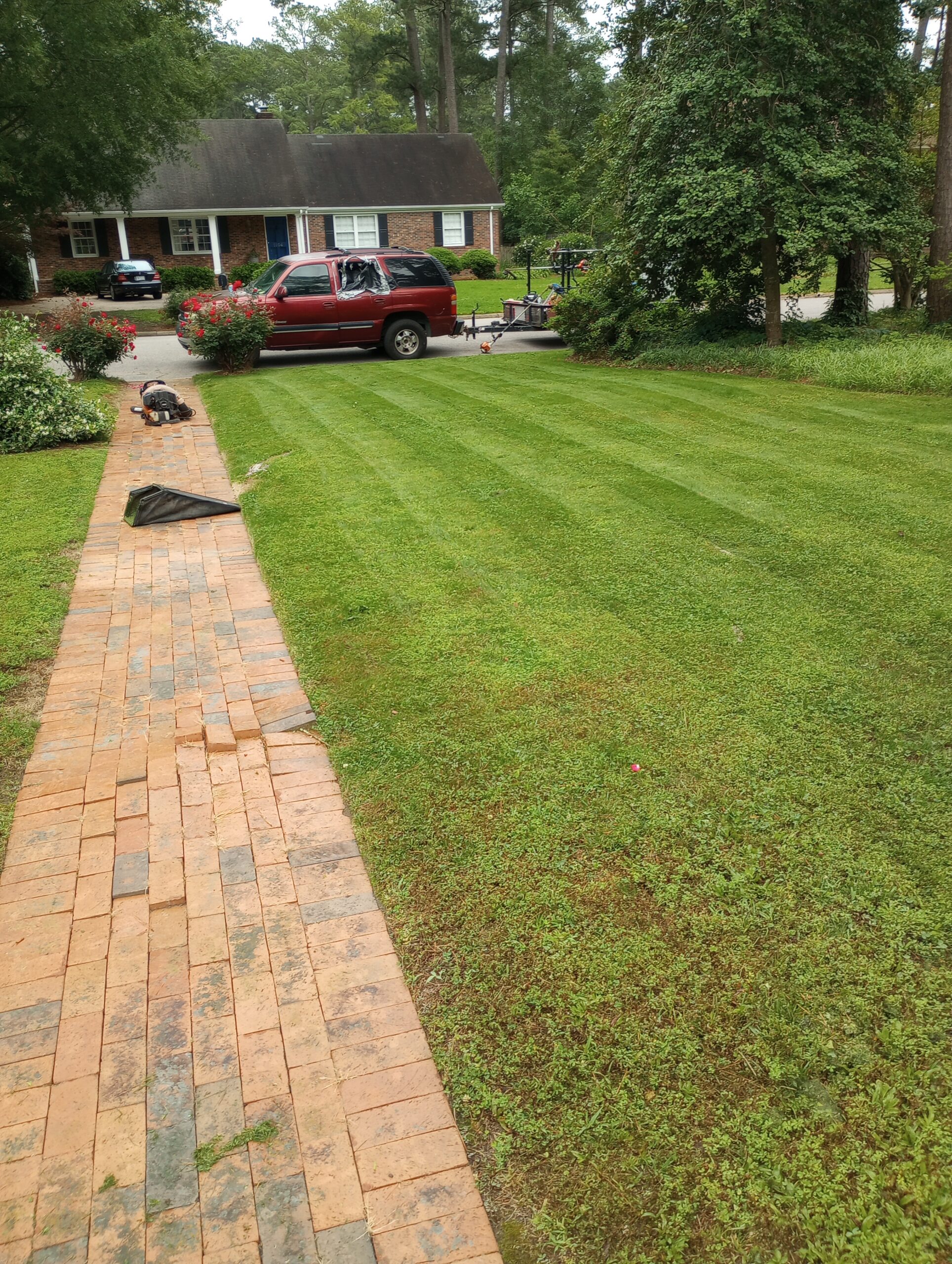
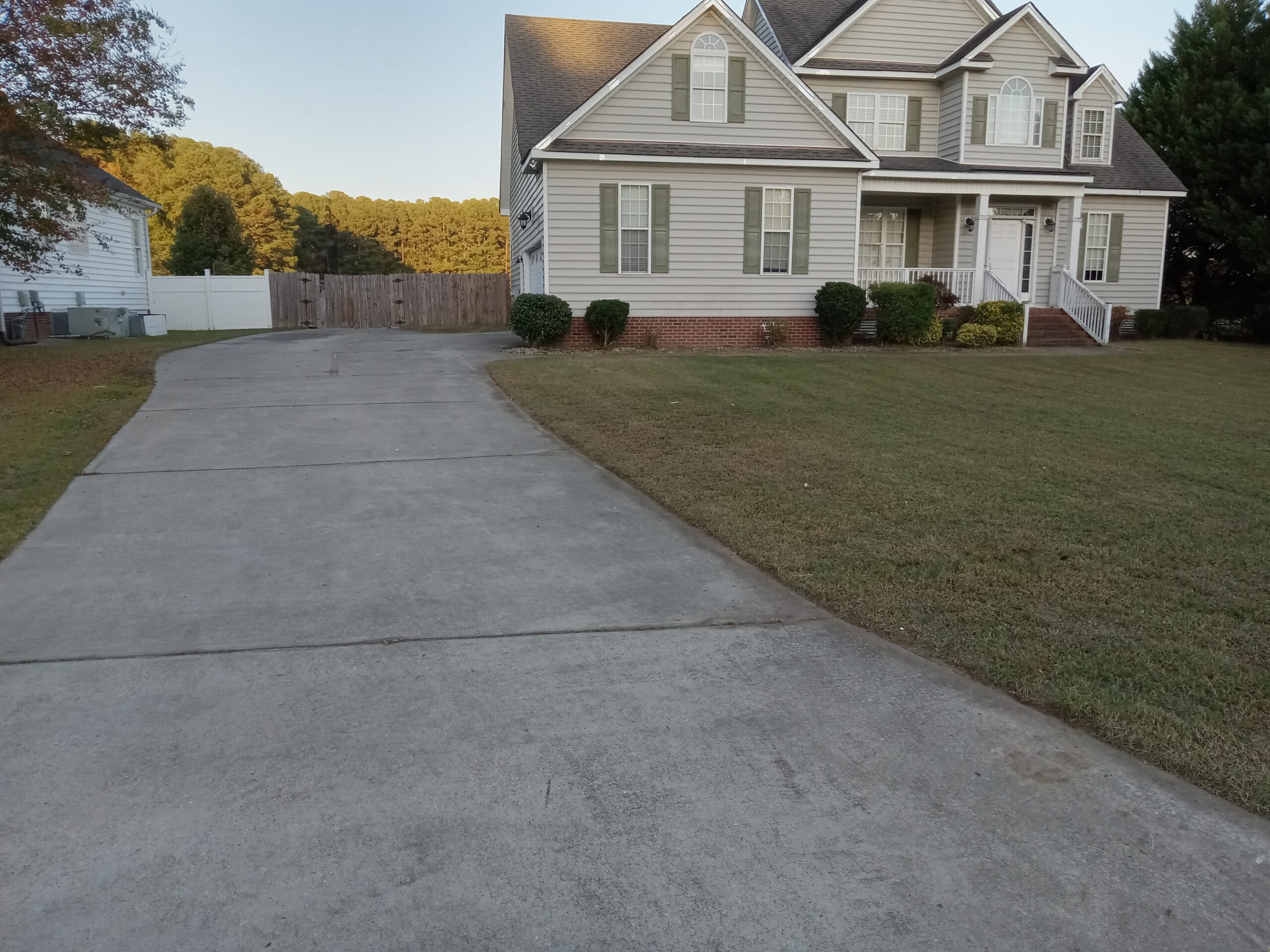
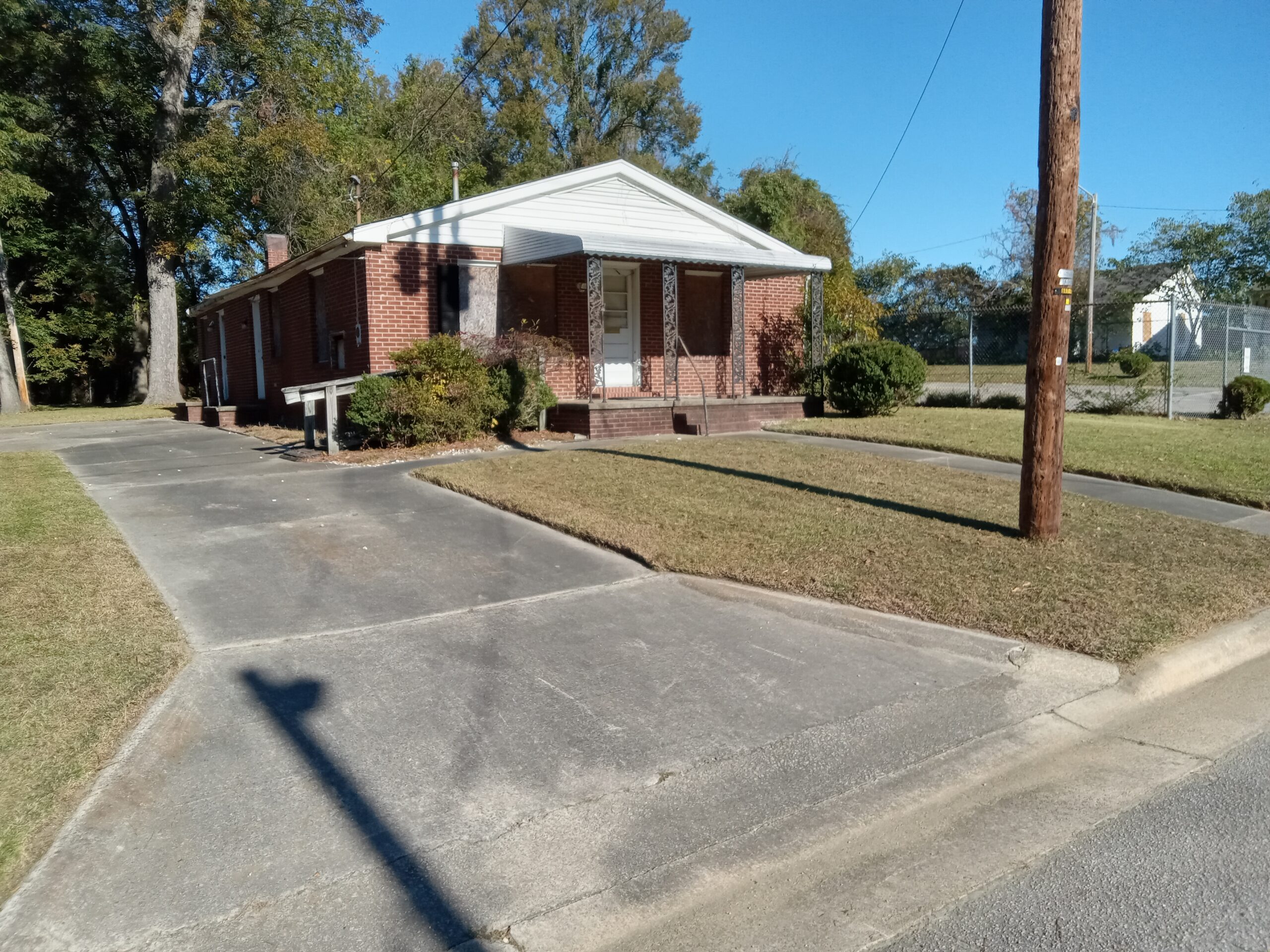
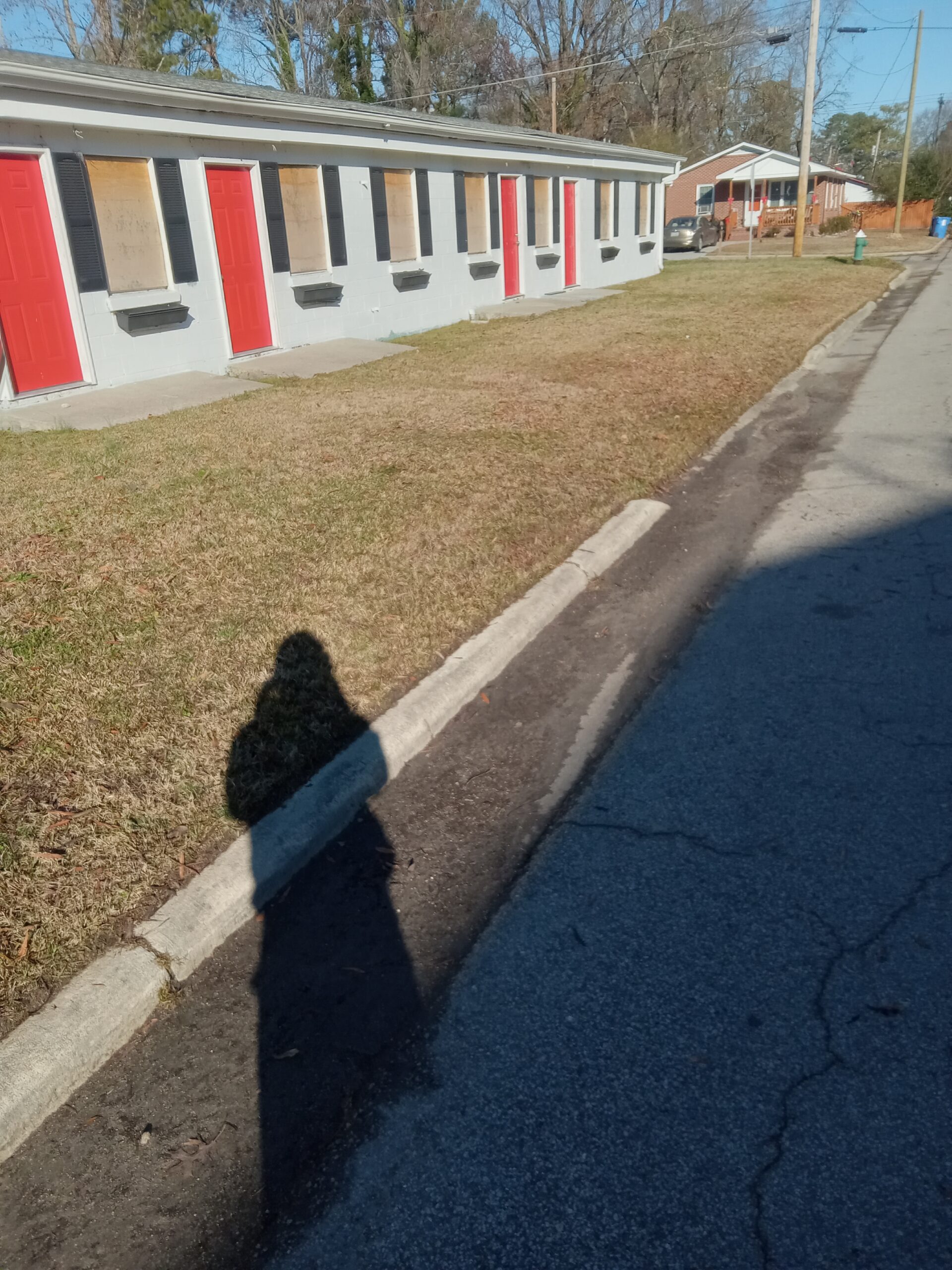

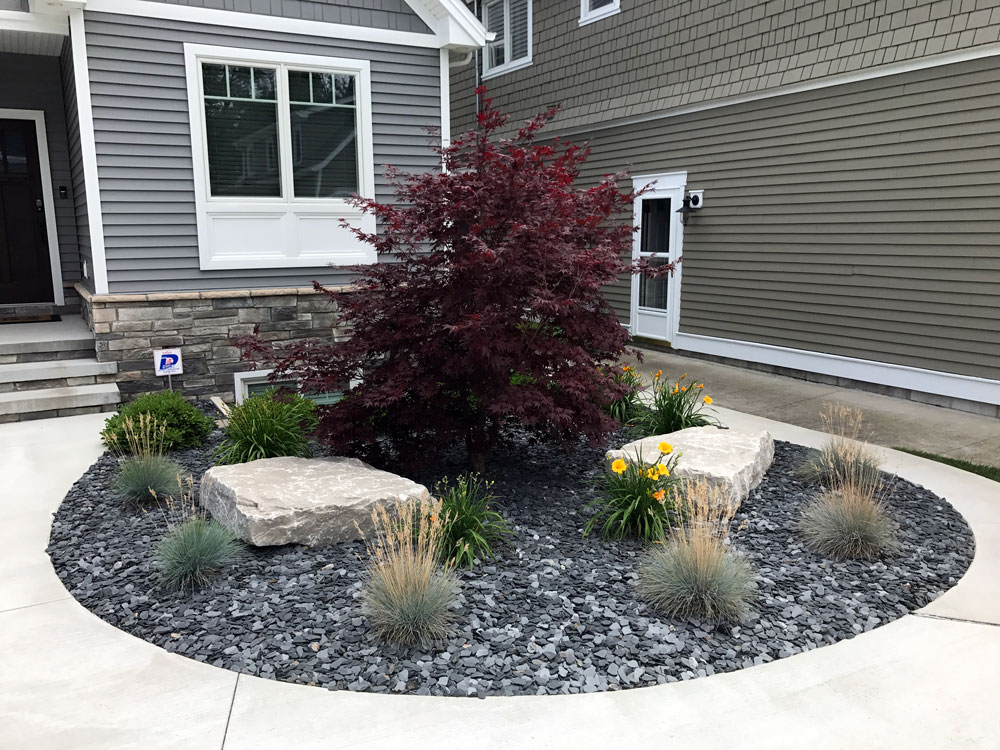

With this Lawn Care Service in Wilson, NC you are not just paying for someone to perform manual labor on your yard. It is the knowledge of plants and flowers that our technicians have to keep them flourishing on your lawn.



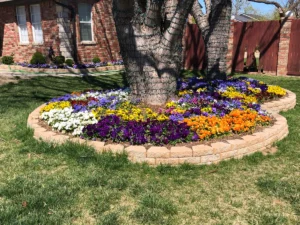
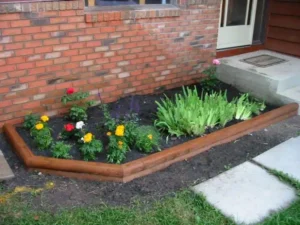
Even if you do not currently have a lawn, our landscapers are qualified seedbed technicians. Our Seedbed technicians will ensure that your seedbed has the proper moisture and ingredients to grow healthy long roots. Using seedbeds requires less manual labor and requires less effort and money to maintain
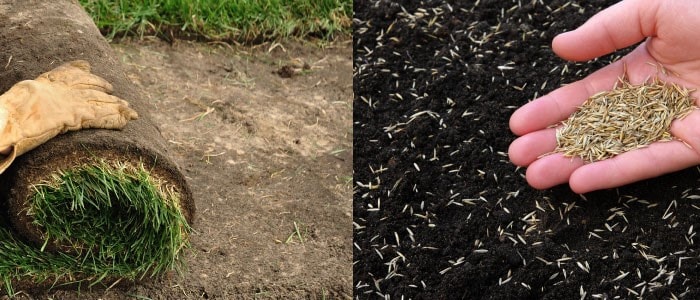
Sodding technicians are also available if you are looking for an instant lawn. Laying sod on your lawn causes less erosion but takes more time to develop deep roots. However, the results of laying sod on your lawn are instant and you can see beautiful results fast.
Why should you choose us?
Because we are not just a lawn care service that comes by to cut your grass. We ensure that every plant flourishes and is kept trimmed and that you are happy with our service. Our knowledge of plants eliminates errors that an unqualified person could make. For example, some plants need more water than others, some plants thrive in regions that others don’t. With Lawn Care in Wilson, NC you can rest assured that mistakes won’t be made, connect with us for a free consultation.

FAQ
General Lawn Care Questions
1. What lawn care services do you offer in Wilson, NC?
We provide a complete range of lawn care and property maintenance services in Wilson, NC, and surrounding communities. Our services include lawn mowing, weed control, fertilization, lawn aeration, overseeding, landscaping, mulching, yard cleanups, bush and tree trimming, leaf removal, and other lawn maintenance services. We also provide free estimates so we can evaluate your property and recommend the services that best fit your needs.
2. How much does lawn care cost in Wilson, NC?
Our lawn care services start at $55 and up, depending on the size of the property, the condition of the lawn, and the type of service required. Every property is different, so we provide free estimates to give you a more accurate price.
3. Do you offer free lawn care estimates?
Yes. We offer free estimates for lawn care and property maintenance services. Contact us to schedule an estimate so we can look at your property and determine what services you need.
4. How often should I have my lawn mowed in Wilson, NC?
Most lawns in Wilson and Eastern North Carolina benefit from regular mowing during the growing season. Depending on the grass type, weather, rainfall, and growth rate, mowing every 7–14 days may be appropriate.
During periods of rapid growth, weekly mowing may be necessary to keep the lawn healthy and attractive.
5. How short should I cut my grass in North Carolina?
The proper mowing height depends on your grass type. Cutting grass too short can stress the plant, increase weed problems, and make the lawn more vulnerable to heat and drought.
In Eastern North Carolina, maintaining the proper mowing height for warm-season grasses such as Bermuda grass, centipedegrass, and zoysiagrass is important for maintaining a healthy lawn.
6. Why is my grass turning brown in Wilson, NC?
Brown grass can have several causes, including drought, heat stress, improper mowing, insects, disease, poor soil conditions, or insufficient nutrients.
Because Wilson experiences hot summers, lawns can become stressed during periods of high temperatures and limited rainfall. Identifying the cause before applying fertilizer or other treatments is important.
7. Why is my lawn thinning out?
A thinning lawn can be caused by several factors, including poor soil, insufficient sunlight, heavy foot traffic, improper mowing, insects, disease, weeds, or inadequate nutrients.
Aeration, overseeding, fertilization, or changes to your mowing and watering practices may help depending on the underlying problem.
8. How do I get a thicker lawn in North Carolina?
A thicker lawn starts with selecting the appropriate grass for your property and maintaining it properly. Regular mowing at the correct height, proper fertilization, adequate watering, weed control, aeration, and overseeding when appropriate can all contribute to a healthier lawn.
9. How often should I water my lawn in Wilson, NC?
Watering requirements depend on grass type, weather, soil, and time of year. During hot and dry periods, lawns may require supplemental irrigation.
It is generally better to water deeply and less frequently than to provide very small amounts of water every day.
10. How much water does a lawn need in North Carolina?
The amount of water your lawn needs depends on the grass species, soil, rainfall, temperature, and season. Overwatering can be just as problematic as underwatering because excessive moisture can contribute to disease and shallow root development.
Grass Types & Lawn Questions
11. What is the best grass for Wilson, NC?
There isn’t one grass that is best for every property in Wilson. Common warm-season grasses suitable for Eastern North Carolina include Bermuda grass, centipedegrass, zoysiagrass, and St. Augustine grass.
The best choice depends on sunlight, soil conditions, desired appearance, maintenance requirements, and how much traffic the lawn receives.
12. What type of grass grows best in Wilson, NC?
Warm-season grasses generally perform well in the Wilson area because of the region’s warm growing season. Bermuda grass is popular for sunny properties, while centipedegrass can be useful for homeowners looking for a lower-maintenance option.
Zoysiagrass can provide a dense, attractive lawn but generally requires more attention than centipedegrass.
13. What is the easiest grass to maintain in Wilson, NC?
Centipedegrass is often considered one of the lower-maintenance warm-season grasses for Eastern North Carolina. However, the easiest grass for your property depends on factors such as sunlight, soil conditions, drainage, and how much maintenance you want to perform.
14. Is Bermuda grass good for Wilson, NC?
Yes. Bermuda grass can perform very well in Wilson and throughout much of Eastern North Carolina, particularly in areas receiving plenty of direct sunlight.
Bermuda is durable and can recover quickly from damage, but it generally requires regular mowing and performs poorly in heavily shaded areas.
15. Is centipedegrass good for Wilson, NC?
Yes. Centipedegrass is commonly used throughout the Southeast and can be a good choice for homeowners who want a relatively low-maintenance lawn.
It generally prefers acidic soils and can tolerate some shade better than Bermuda grass, although heavy shade can still cause problems.
16. Is zoysia grass good for Wilson, NC?
Yes. Zoysia can perform well in Eastern North Carolina and is known for producing a dense, attractive lawn. It can tolerate some shade and foot traffic better than certain other warm-season grasses.
However, zoysia can be slower to establish and may require proper fertilization and maintenance.
17. What grass should I plant in a shady yard in Wilson, NC?
The best choice depends on how much shade your property receives. Some zoysia varieties can tolerate partial shade better than Bermuda grass. Extremely shaded areas may require alternatives to traditional turfgrass.
18. Can I grow Bermuda grass in the shade?
Bermuda grass generally requires substantial sunlight. If an area receives heavy shade, Bermuda may become thin and weak.
Trimming trees and branches to increase sunlight may help, but heavily shaded areas may require a different landscaping solution.
Weed Control FAQs
19. What are the most common lawn weeds in Wilson, NC?
Common lawn weeds can include crabgrass, nutsedge, dandelions, clover, chickweed, broadleaf weeds, and other annual and perennial weeds.
The correct treatment depends on identifying the weed and knowing what type of grass is growing in your lawn.
20. How do I get rid of weeds in my lawn in Wilson, NC?
Effective weed control usually involves identifying the weed, improving lawn health, using appropriate pre-emergent or post-emergent treatments, and maintaining the grass properly.
A healthy, dense lawn naturally makes it more difficult for many weeds to establish.
21. How do I get rid of crabgrass in North Carolina?
Crabgrass is an annual weed that can be difficult to control after it becomes established. Pre-emergent weed control applied at the appropriate time can help prevent crabgrass from germinating.
Existing crabgrass may require a selective treatment that is compatible with the grass growing in your lawn.
22. How do I get rid of nutsedge in my lawn?
Nutsedge is a grass-like weed that can require specialized treatment. Simply mowing it often does not eliminate the problem because the plant can continue growing from underground structures.
Proper identification is important before treatment.
23. How do I get rid of dandelions in North Carolina?
Dandelions are broadleaf weeds that can be controlled using appropriate herbicide treatments. Maintaining a thick, healthy lawn can also reduce opportunities for weeds to establish.
24. Why does my lawn have so many weeds?
Weeds can become established when grass is thin, soil is exposed, mowing practices are incorrect, nutrients are unbalanced, or environmental conditions favor weed growth.
Simply killing existing weeds may not solve the problem if the underlying lawn conditions remain unchanged.
25. When should I apply weed killer in North Carolina?
The best timing depends on the type of weed and the grass species in your lawn. Some weeds are best controlled before they germinate, while others require post-emergent treatment after they appear.
26. When should I use pre-emergent in North Carolina?
Pre-emergent applications need to be timed around the expected germination period of the target weed. Applying too early or too late can reduce effectiveness.
27. How often should I treat my lawn for weeds?
There is no single schedule that works for every lawn. Weed pressure, grass type, weather, soil conditions, and the products being used all affect treatment frequency.
28. Why do weeds keep coming back after treatment?
Weed treatments generally target existing weeds or prevent new weeds from germinating for a limited period. New weeds can appear from seeds already present in the soil or from surrounding areas.
Improving turf density and using an appropriate weed-control program can help reduce recurring problems.